Diabetes is a lifelong condition, but with the right knowledge and consistent management, most people with diabetes live full, active lives. Here's what you need to know.
Understanding the types
Type 1 diabetes occurs when the body produces little or no insulin and typically requires lifelong insulin therapy. Type 2 diabetes — the most common form — develops when the body becomes resistant to insulin, and is strongly linked to lifestyle factors, though genetics plays a role too. Gestational diabetes develops during pregnancy and usually resolves after delivery, though it raises future risk.
Recognising the symptoms
Increased thirst, frequent urination, unexplained fatigue, blurred vision, and slow-healing wounds are common early signs. Many people with type 2 diabetes have no symptoms at all in the early stages, which is why screening matters.
Diet and lifestyle management
- Choose whole grains over refined carbohydrates
- Space meals evenly through the day to avoid blood sugar spikes
- Include fibre-rich vegetables and lean protein at each meal
- Exercise regularly — even a daily 30-minute walk improves insulin sensitivity
- Monitor blood sugar as often as your doctor recommends
Preventing complications
Poorly controlled diabetes over time can affect the eyes, kidneys, nerves, and heart. Regular check-ups — including eye exams and kidney function tests — catch complications early, when they're most treatable.
You're not managing this alone
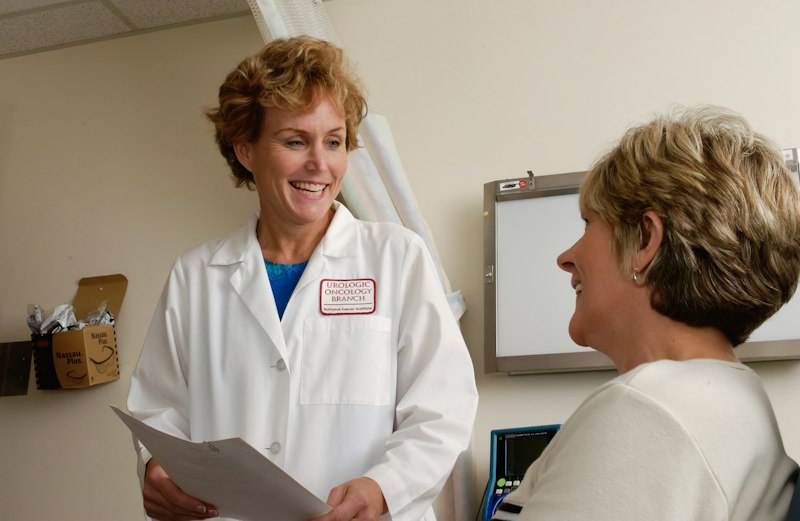
Our endocrinology team works with you to build a realistic, sustainable management plan rather than a one-size-fits-all prescription.
If you have questions or would like to speak with one of our specialists, call Vijay Hospital at +91 93067 10615 or visit us opposite the Bus Stand in Narnaul, Haryana — we're here 24/7 for emergencies and by appointment for consultations.